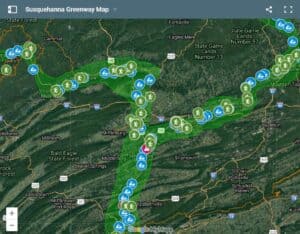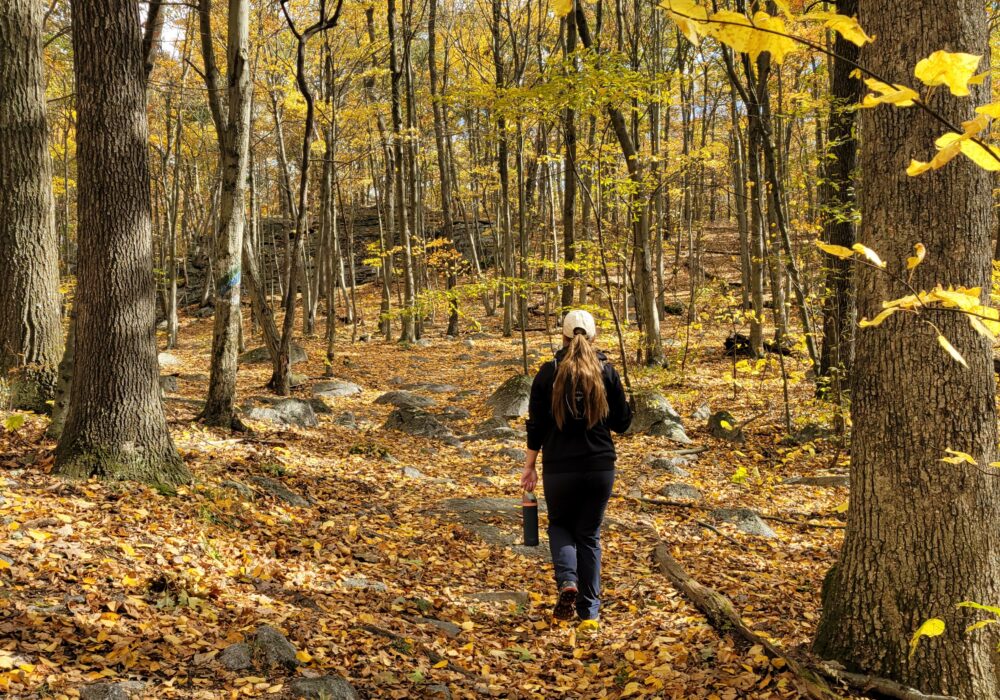
There’s a certain feeling that settles over the Susquehanna Greenway in fall. The air turns crisp and cool, and the leaves transform into their brilliant fall tapestry of yellows, oranges, and reds. Mornings bring a sun slowly rising over the Susquehanna, as fog billows through the valley, offering a quiet magical landscape to reward the early risers.
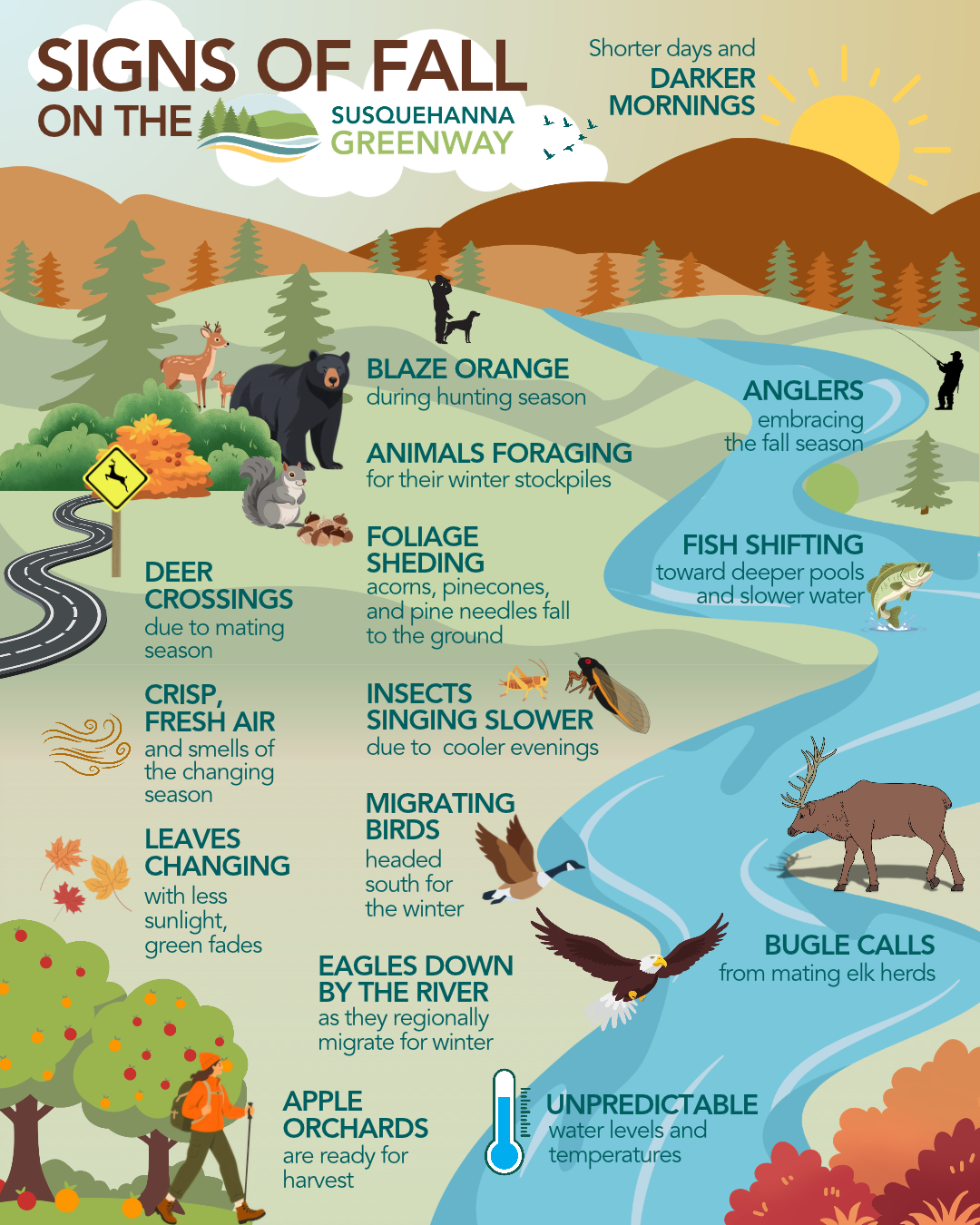
But look a little closer and there’s more to fall than the changing leaves. Along the riverbanks you will find flora at different stages of life, fauna foraging about and calling for their mates, and fungi soaking in the cooler, damper weather.
From the forest floor to the river’s edge, signs of fall are quickly emerging. Fall has arrived on the Susquehanna Greenway—and there’s plenty to discover!
Flora
While many of Pennsylvania’s trees are preparing for winter and shedding their leaves, other native plants along the Susquehanna Greenway are still blooming, producing seeds, and providing important food and habitat for wildlife.
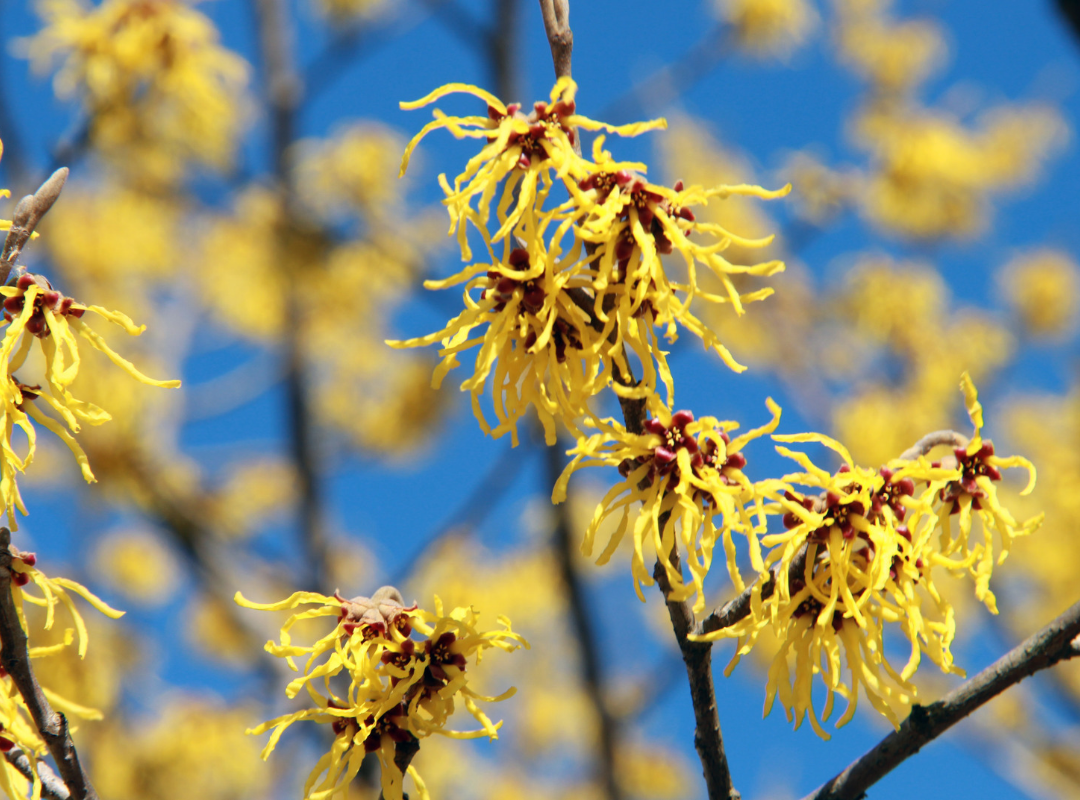
The native 15–20-foot shrub, witch hazel, for example, flowers anytime from October to early December. Its name is derived from the eerie, witchcraft like sounds that come from its bursting ripe pods that throw seeds up to 30 feet.
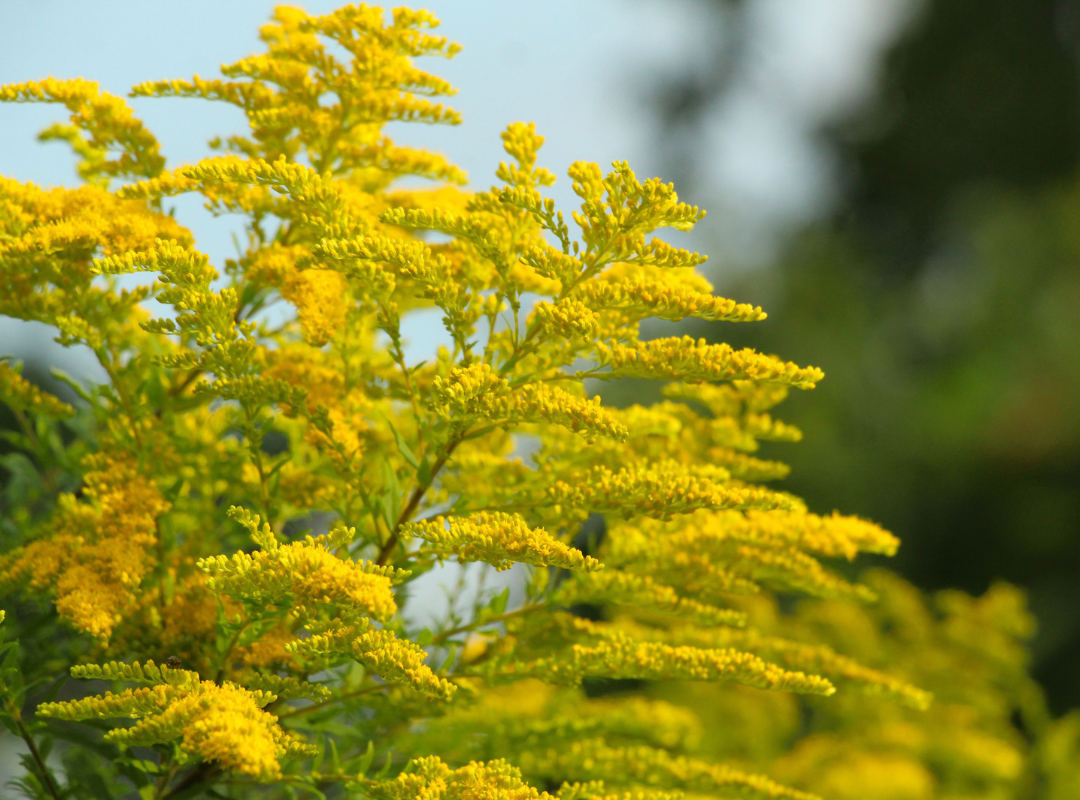
Goldenrod is another unmistakable sign of fall. Its bright yellow flowers can be found blooming well into October, often carpeting meadows, roadsides, and woodland edges. It is also an important native plant for pollinators, providing a late season source of nectar for bees, butterflies, and other insects. Asters add delicate shades of purple, blue, pink, and white to the fall landscape and offer another late bloom for pollinators.
And don’t forget to look down. Native grasses, sedges, and seed-bearing plants take on their own autumn colors and textures as the season progresses, while berries, nuts, and seeds become an important food source for birds and other wildlife preparing for winter.
The next time you’re exploring the Susquehanna Greenway this fall, take a closer look beyond the changing canopy. There’s a whole world of native plants still blooming, fruiting, and preparing for the season ahead.
Fauna
Fall brings plenty of activity on the Susquehanna Greenway as wildlife migrate, search for mates, and prepare for winter.


Birds are some of the most noticeable seasonal travelers. While the northern cardinal, red-tailed hawk, and the tufted titmouse remain year-round, fall brings winter visitors like the dark-eyed junco flashing its bright white feathers, the white-throated sparrow with small yellow patches above the eyes, and the red-breasted nuthatch “beep-beeping” through the woods. Bald eagles can also be spotted soaring along the river as some migrate through the region. As you explore the Greenway, keep your eyes on the skies and ears open for birdsong!
White-tailed deer become especially active during fall, when the annual rut, or breeding season begins. As temperature drops, they seek out new areas with abundant food sources like acorns and grassy fields. Fall is also the primary hunting season in Pennsylvania, so expect to see many hunters on State Game Lands, Forests and Parks. All visitors to these areas must wear 250 square inches of blaze orange for safety during this time. On the upper reaches of the Susquehanna River’s West Branch, listen for the distinctive bugle of bull elk as they compete for mates during the rut.
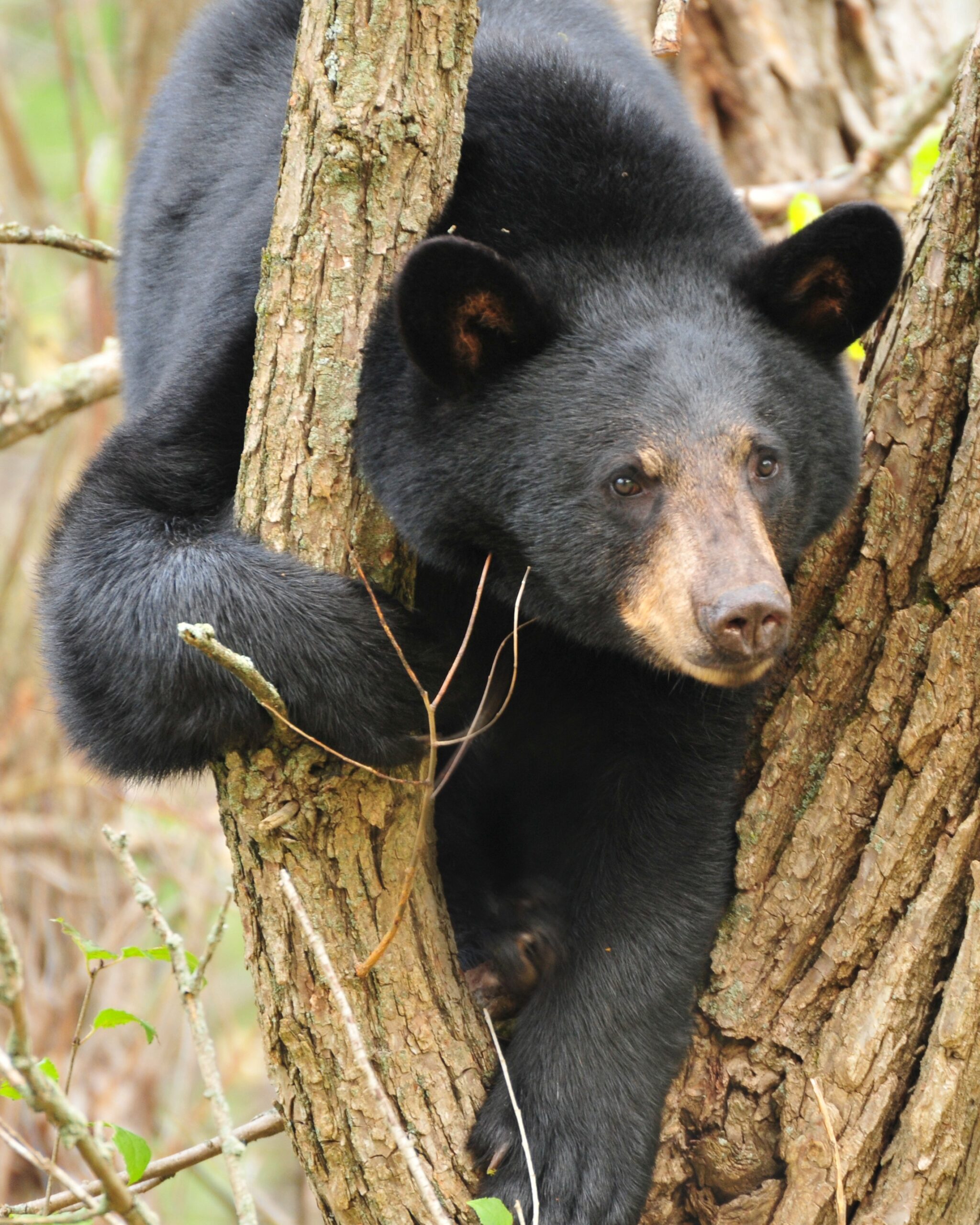
Meanwhile, black bear spend much of the fall foraging and building fat reserves before entering winter torpor, a survival strategy where the animal lowers its heart and respiratory rate to a point that saves energy. Other Pennsylvania mammals, like the groundhog and several bat species, prepare for true hibernation.
From migrating birds overhead to mammals preparing for colder days, fall is a fascinating time to observe wildlife along the Susquehanna Greenway.
Fungi
The cool, damp weather also creates ideal conditions for many fungi to appear along the Susquehanna Greenway. Look closely at the forest floor, fallen logs, and tree trunks, and you may discover some of the season’s most fascinating mushrooms.
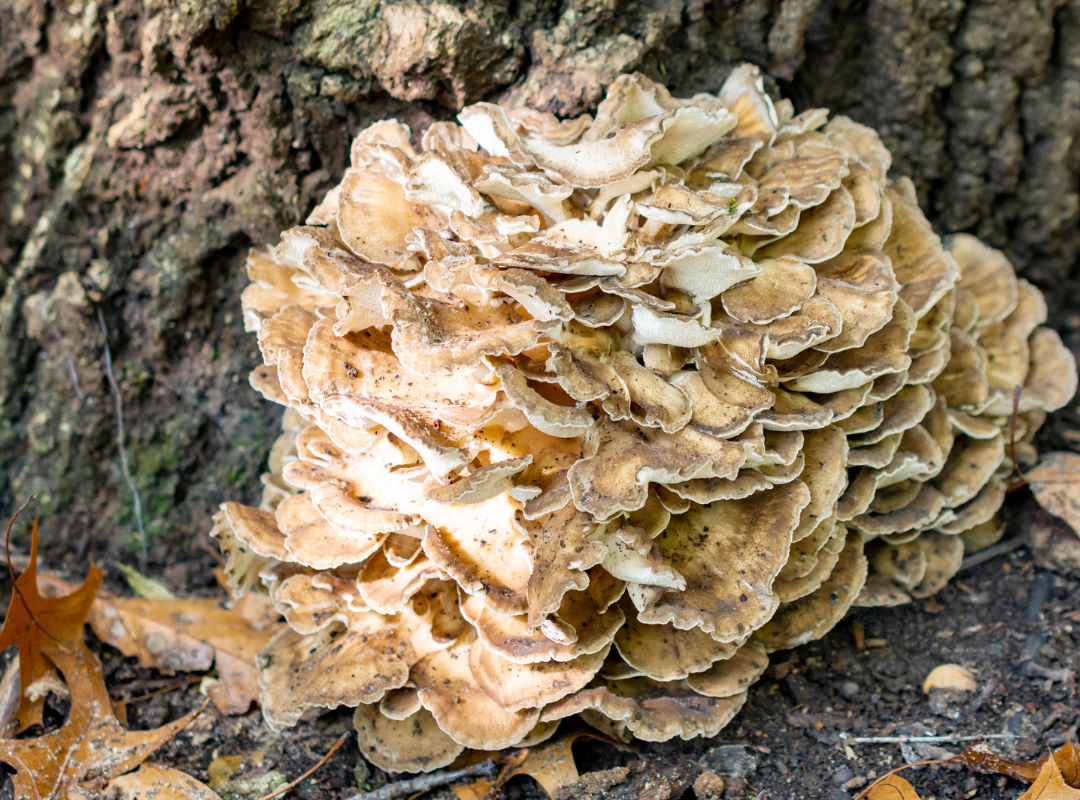
If you encounter a mature oak tree on your adventures, look down—a hen of the woods may be hiding at its base. Its large, ruffled clusters of grayish-brown fronds can blend in with fallen leaves, making it a fun discovery for observant hikers.
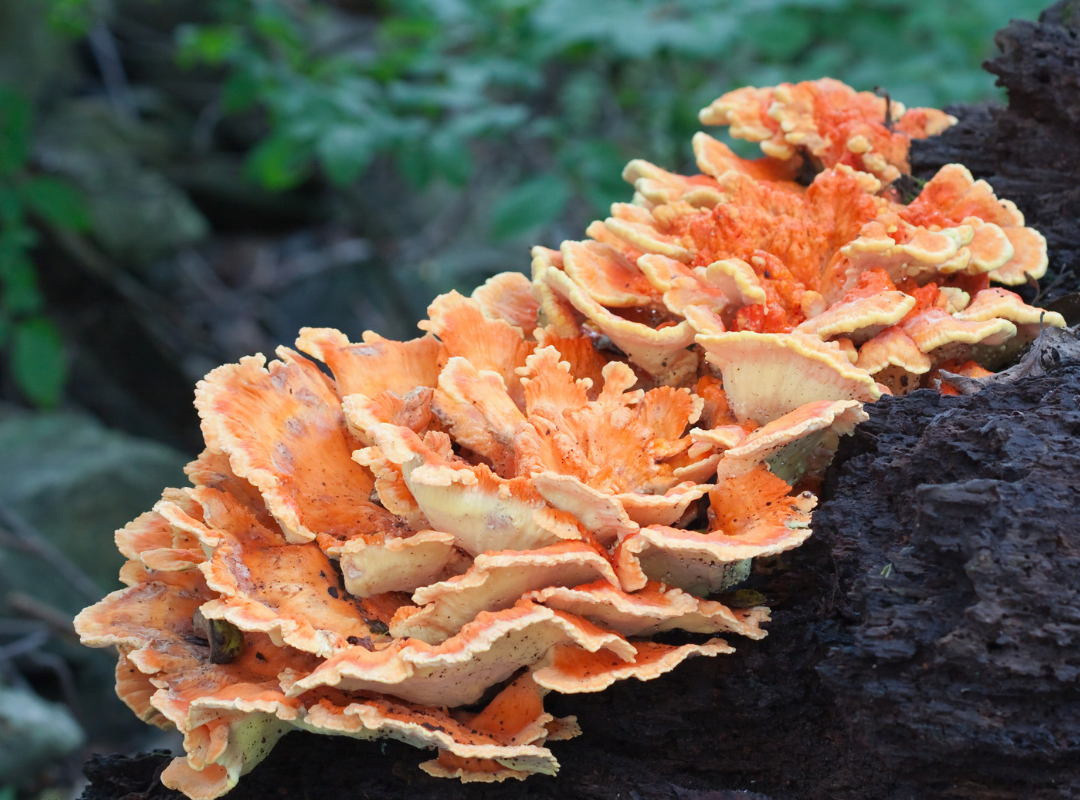
After rain, inspect fallen trees or rotting logs for chicken of the woods. This striking variety grows bright orange and yellow in shelf-like clusters. Look underneath its tiny shelves for the small pores that distinguish it from gilled mushrooms.
Along the trail, or on the base of deciduous trees, look for shrimp of the woods, which appears in two forms: an ordinary mushroom and an unusual, pale, distorted form known as the “aborted” form. The latter is associated with honey mushrooms and often looks like a cluster of white, twisted blobs on the forest floor.
Whether you’re spotting fungi along a trail or examining a fallen log, remember that mushrooms play an important role in breaking down organic matter and recycling nutrients back into the ecosystem. Enjoy discovering them, but never eat a wild mushroom unless its identification has been confirmed by a qualified expert.
By the Riverside
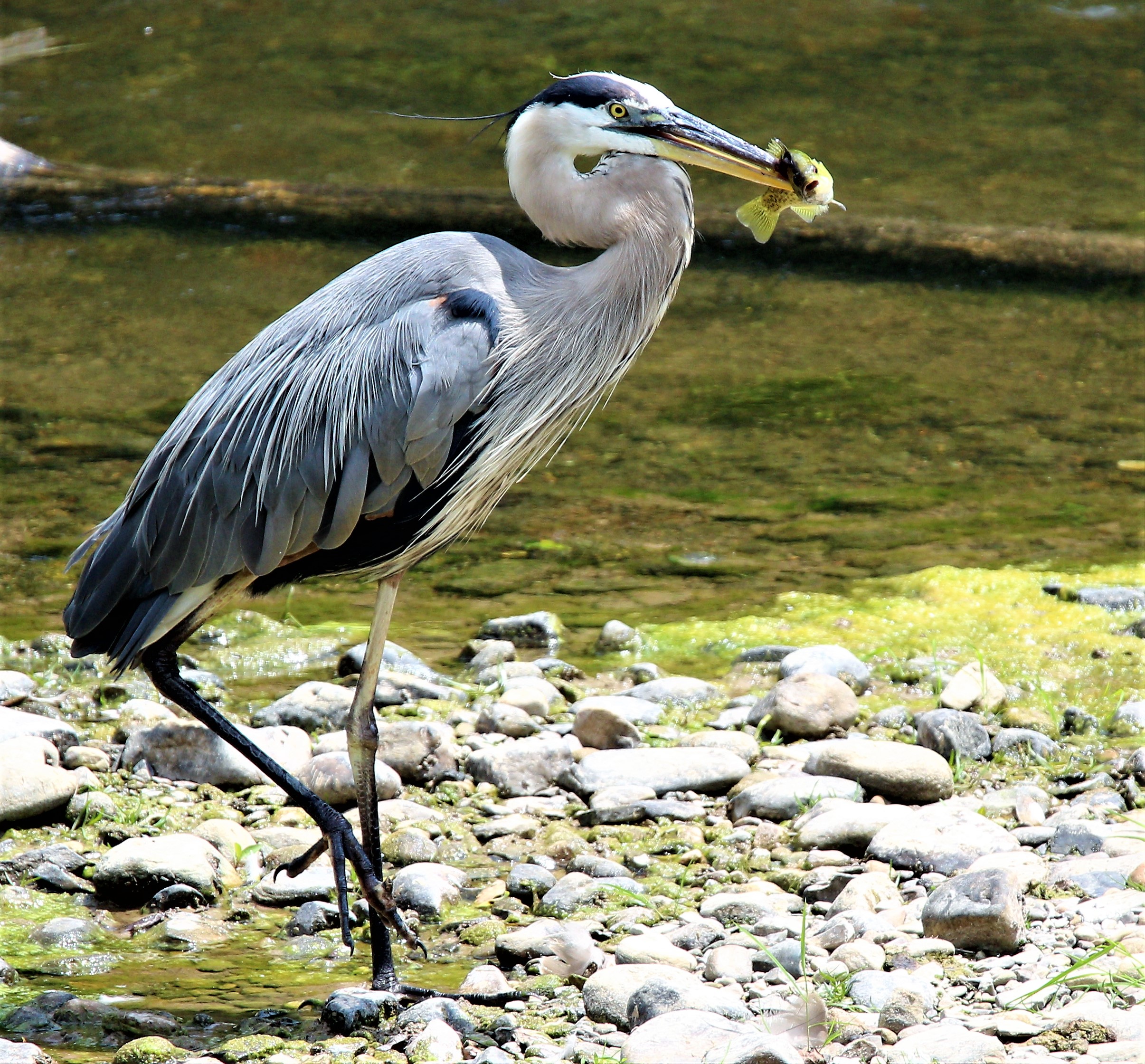
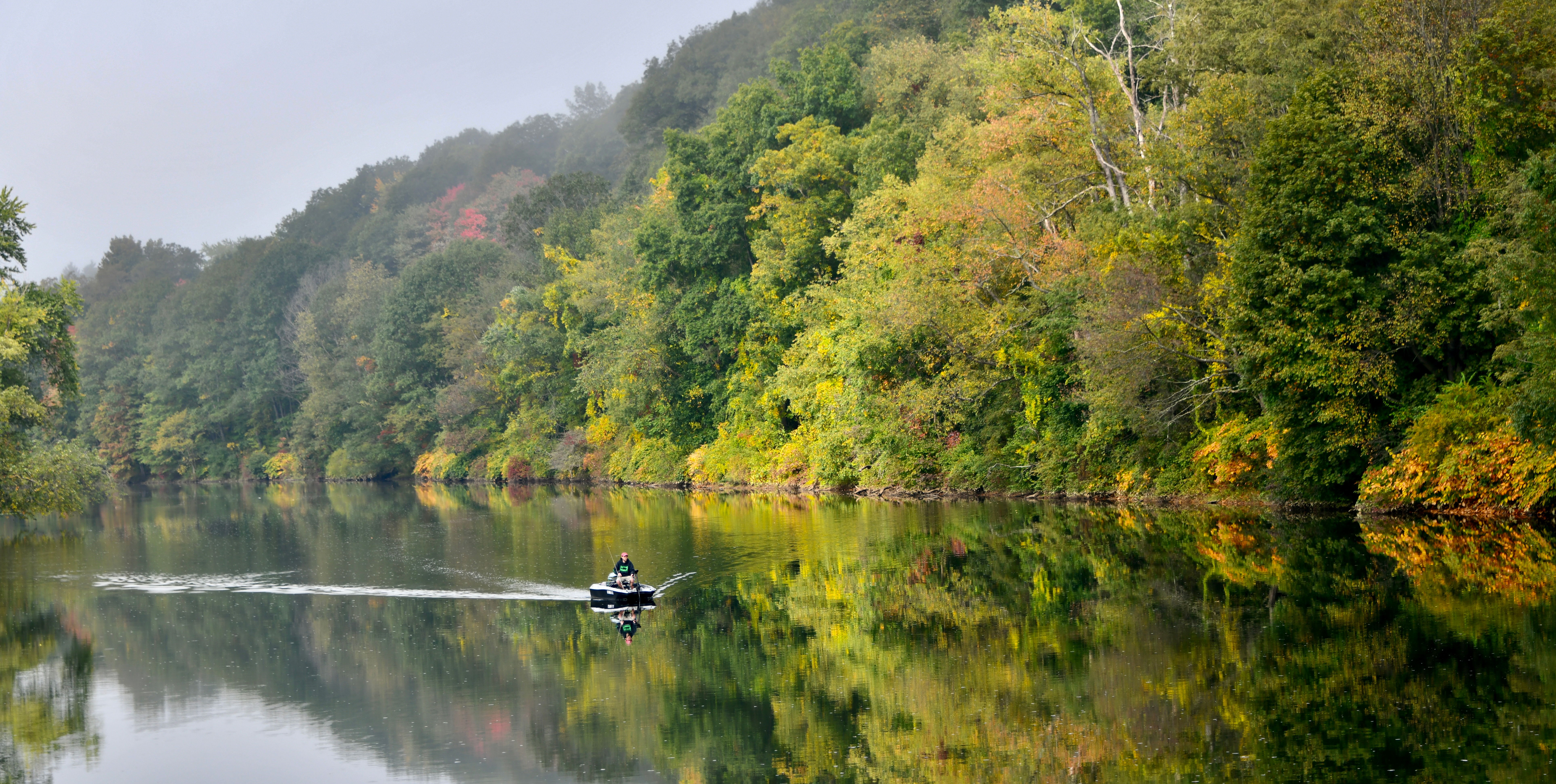
The Susquehanna River remains full of life as fall settles across the Greenway. Look along the shoreline for great blue heron hunting in the shallows or watch for signs of beavers at work. Other animals like raccoons, foxes, and porcupines will also frequent the river, each navigating the changing season in its own way. See what footprints you can identify along the shore!
Fall also brings changing river conditions and day-to-day fluctuations in water levels. Rainfall from tropical systems and passing weather fronts can cause water levels to rise quickly, while dropping air temperatures can make the water dangerously cold. Whether you’re paddling, fishing, or exploring the shoreline, check conditions before heading out. Learn more about cold water resources here.
For anglers, autumn offers another opportunity to enjoy the Susquehanna. Smallmouth bass, catfish, walleye, trout, and muskellunge (muskie) are among the species anglers pursue throughout the region. For a complete guide on fishing the Susquehanna, click here.
From colorful foliage and late-season wildflowers to migrating birds and fascinating fungi, fall offers countless reasons to explore the Susquehanna Greenway. Each visit brings something new to notice, whether you’re hiking a familiar trail, watching wildlife along the river, or simply taking in the crisp autumn air. Get outside, look a little closer, and discover the signs of fall along the Susquehanna Greenway.