

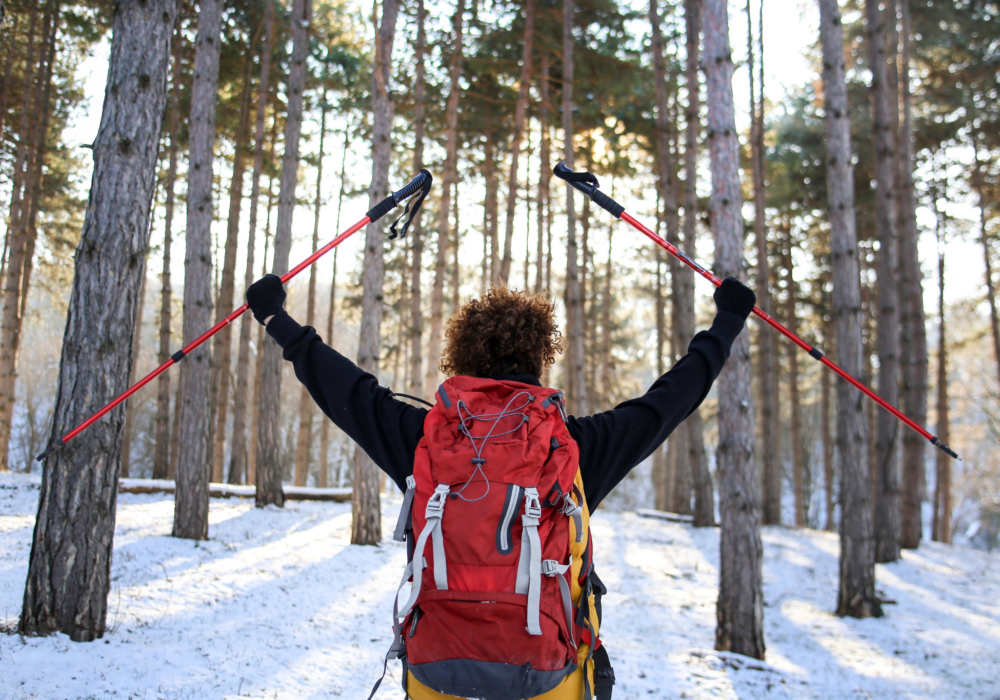
For many of us, winter can make the outdoors feel a little less inviting—but it doesn’t have to. With the right mindset (and the right gear), winter is a great time to step outside, breathe in the crisp air, and experience familiar landscapes in a whole new way. From a short neighborhood walk to exploring scenic stretches of the Susquehanna Greenway, getting outside in winter can be both refreshing and rewarding.
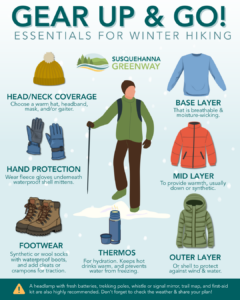
Staying comfortable is the key to enjoying any cold-weather outing. Dressing properly makes all the difference, and using a simple layering system is a great place to start. Here’s a quick breakdown to help you stay warm, dry, and ready to enjoy the trails this winter.

Base Layer
The base layer is your next-to-skin foundation, designed to pull moisture away from your body to keep you dry and prevent chilling or even hypothermia in cold conditions. Effective base layers are made from moisture-wicking, breathable fabrics such as polyester, nylon, merino wool, or silk. Merino wool is especially popular due to its soft fibers, natural odor resistance, and ability to regulate temperature, though it dries more slowly and is moderately durable. Silk offers a lightweight, comfortable feel and slips easily under other layers, but it wicks less efficiently and tends to retain odor.
Many hikers choose blends of wool and synthetics for added durability. Base layers also come in different weights such as lightweight, midweight, and heavyweight. Their primary job is wicking rather than insulation, with heavier fabrics offering slightly more warmth. Ultimately, the best base layer is one that keeps you dry, comfortable, and suited to your activity level and personal fabric preference.
Mid-Layer
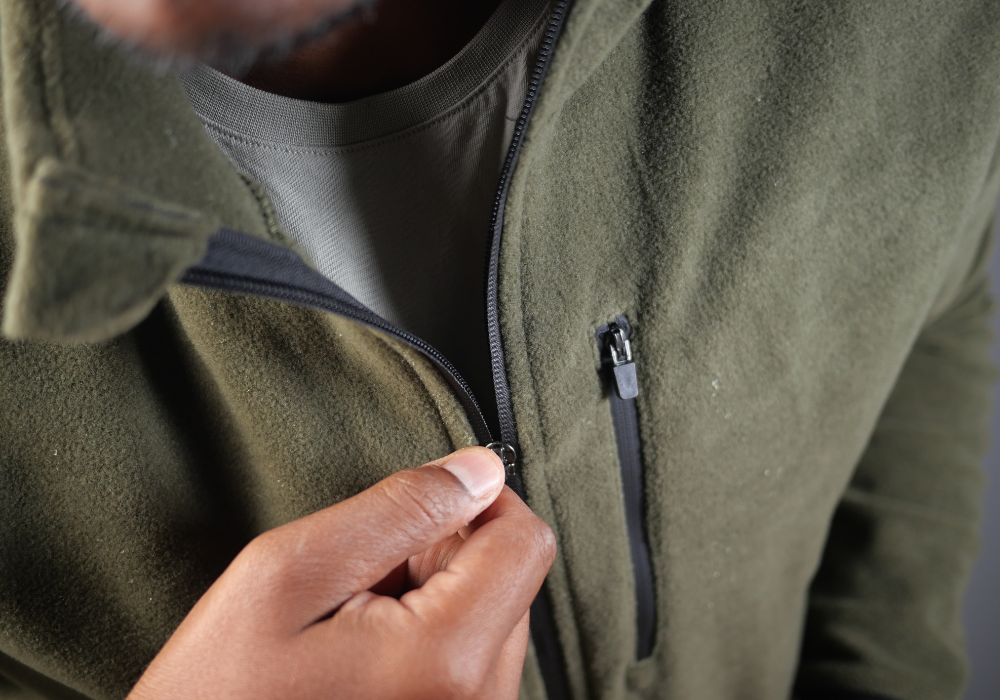
The mid-layer serves as your main source of insulation, helping your body retain the heat it naturally produces. The key is choosing a material that efficiently traps warmth while remaining comfortable and functional on the trail. Popular options include polyester fleece, down jackets, and synthetic insulated jackets.
Fleece is available in light, mid, and heavyweight varieties, offering reliable warmth that still breathes well and dries quickly. Although it does require a wind-blocking outer layer since air can pass through it easily.
Down insulation provides exceptional warmth for its weight and packs down small, with performance measured by fill power, but it loses efficiency when wet. Synthetic insulation, while not as compressible as down, continues to insulate even when damp, making it a dependable choice in wet or unpredictable weather.
Whether you choose fleece, down, synthetics, or even wool blends, remember that thicker or puffier options generally offer more warmth, but the overall efficiency of the material matters just as much.
Outer Layer (Shell)
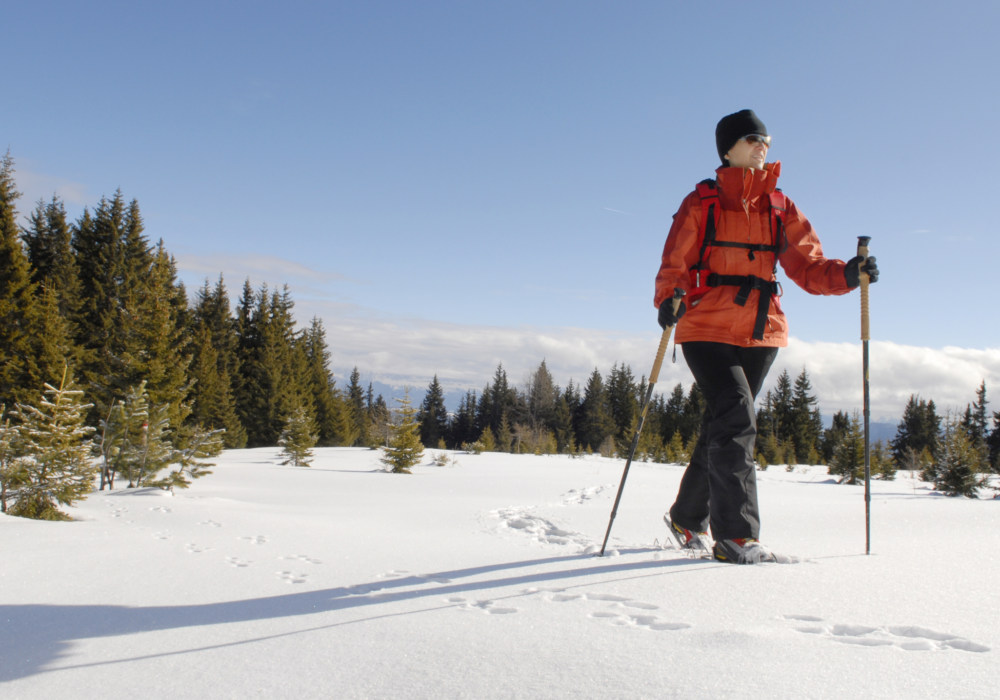
The outer layer or shell is your first line of defense against wind, rain, and snow, making it essential for staying safe and comfortable on winter hikes. A good shell keeps the elements out while still allowing moisture from inside to escape, helping prevent the buildup of sweat and condensation. Most shells use a durable water-repellent finish to help water bead and roll off the fabric, and options range from lightweight wind-resistant jackets to high-performance waterproof shells.
Waterproof/breathable jackets offer the best protection in harsh conditions, while more affordable water-resistant shells work well in light rain and high-activity outings. Soft shells prioritize breathability and flexibility, often blending light weather protection with a bit of insulation. Fully waterproof but non-breathable shells can keep you dry during low-activity, wet conditions but tend to trap sweat during exertion. Choosing the right outer layer ensures that wind and water don’t penetrate your inner layers which is an important factor in preventing dangerous cold-weather chill.
Footwear and Socks
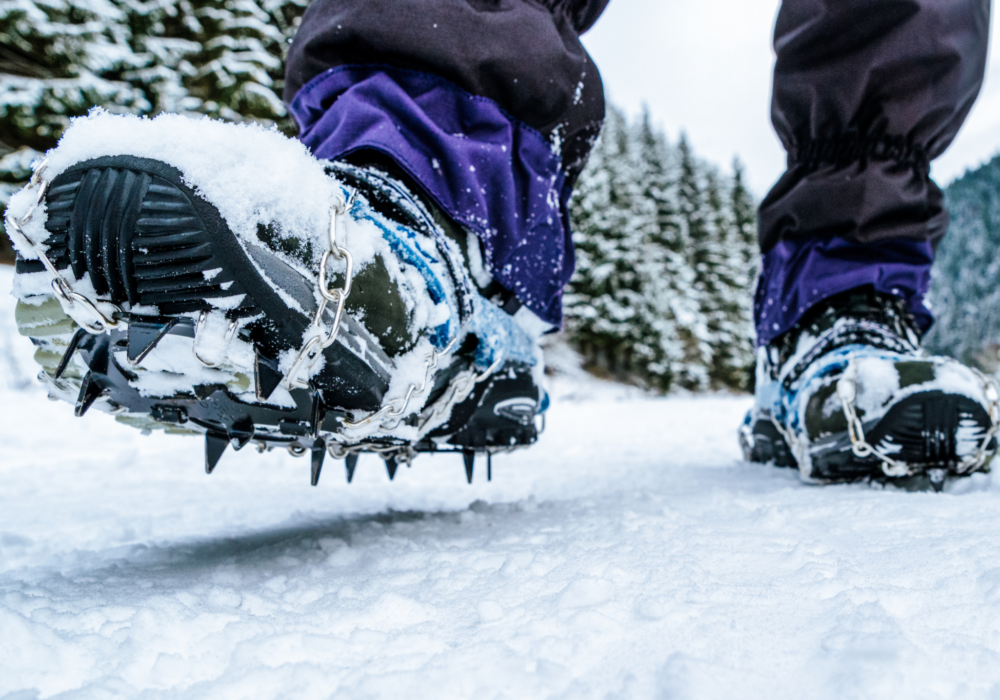
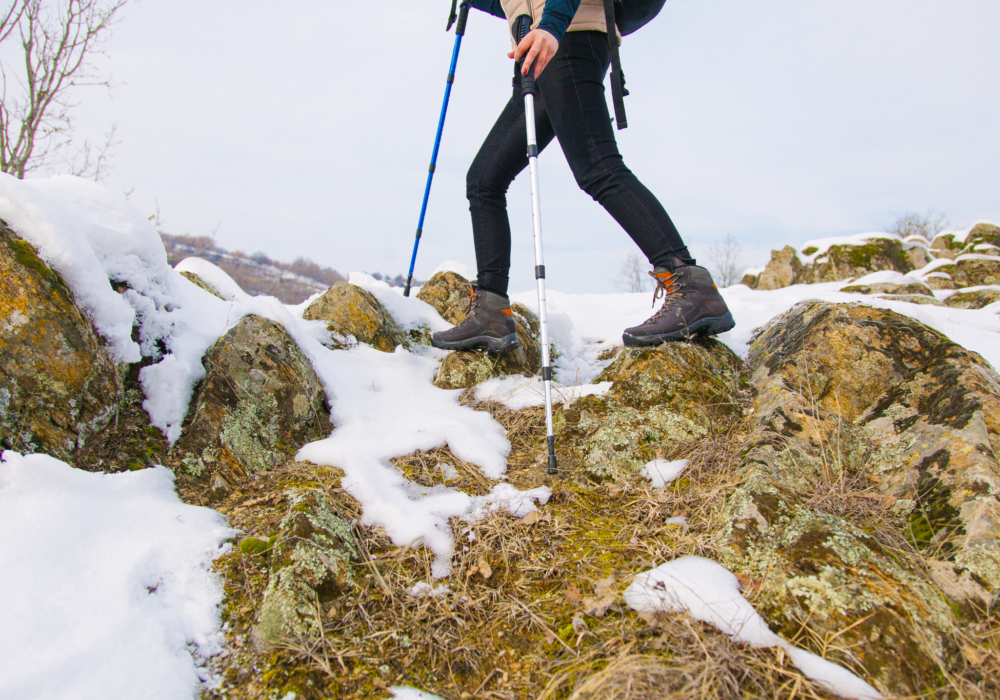
In addition to dressing in layers, selecting the right footwear and socks is crucial for winter hiking. Synthetic or wool socks help keep your feet dry, and while thicker socks provide more insulation, make sure they don’t make your boots too tight, as this can restrict circulation. Carrying an extra pair of socks is recommended in case the first pair becomes wet. Waterproof boots are essential for trekking through snow, and in very cold conditions, insulated boots can provide extra warmth. Good traction is a must, and adding ice cleats or crampons can significantly improve stability on snowy or icy trails.
Hand and Head Protection
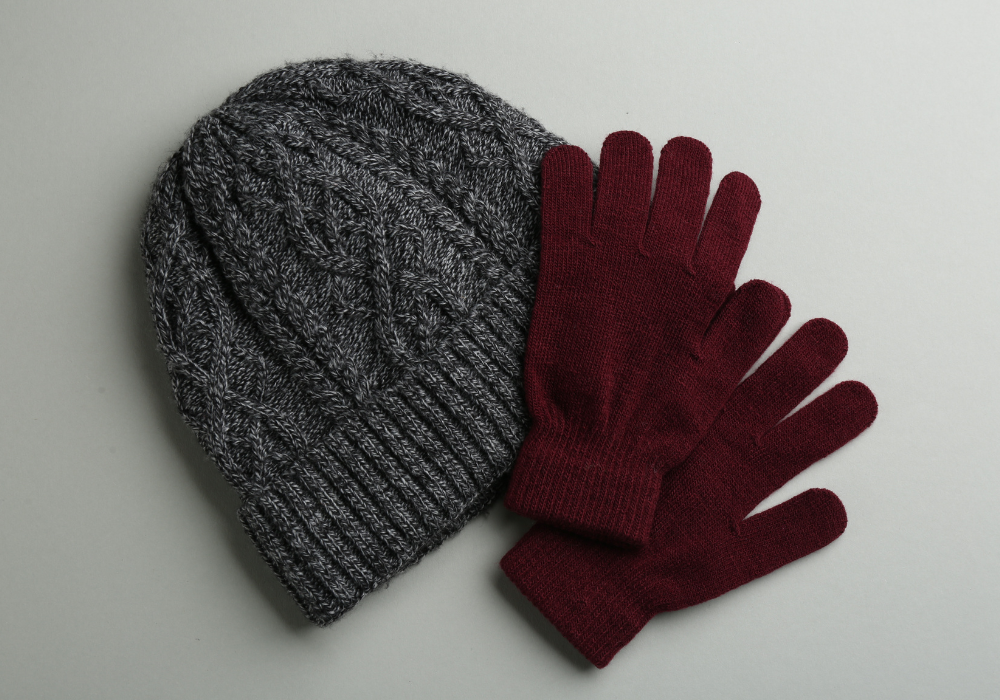
Protecting your extremities is just as important as layering your core. Lightweight or midweight fleece gloves worn under waterproof shell mittens or gloves offer warmth and protection, and carrying an extra pair of fleece gloves ensures you have dry options if your first pair gets wet. For your head, a winter hat or headband helps retain body heat. Your brain consumes about a third of your body’s energy and keeping it warm is essential for maintaining function. A neck gaiter or face mask provides additional protection for your nose, cheeks, and ears, particularly in windy conditions. Bringing a warmer hat for rest periods can also help maintain comfort during breaks.
Hydration and Warmth
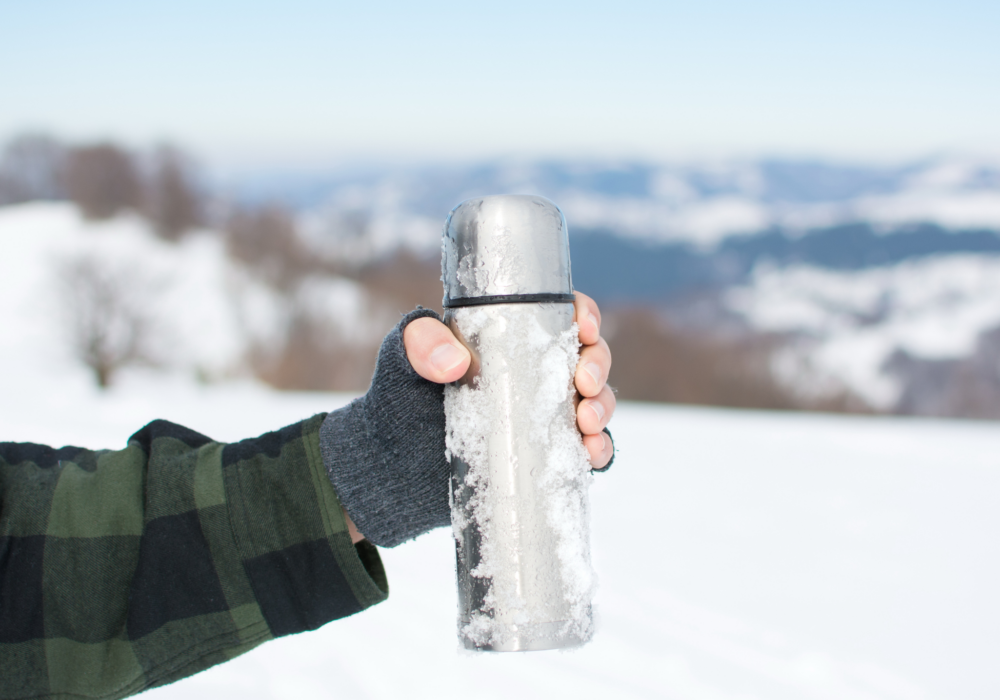
Even in cold weather, staying hydrated is important. Vacuum-insulated bottles filled with hot drinks like tea or cocoa can provide warmth during breaks. In freezing temperatures, water bottles are often more reliable than hydration reservoirs, though they can freeze from the top down. Keeping bottles inside your pack and occasionally flipping them upside down can help prevent ice from blocking the lids.
Safety and Navigation Gear
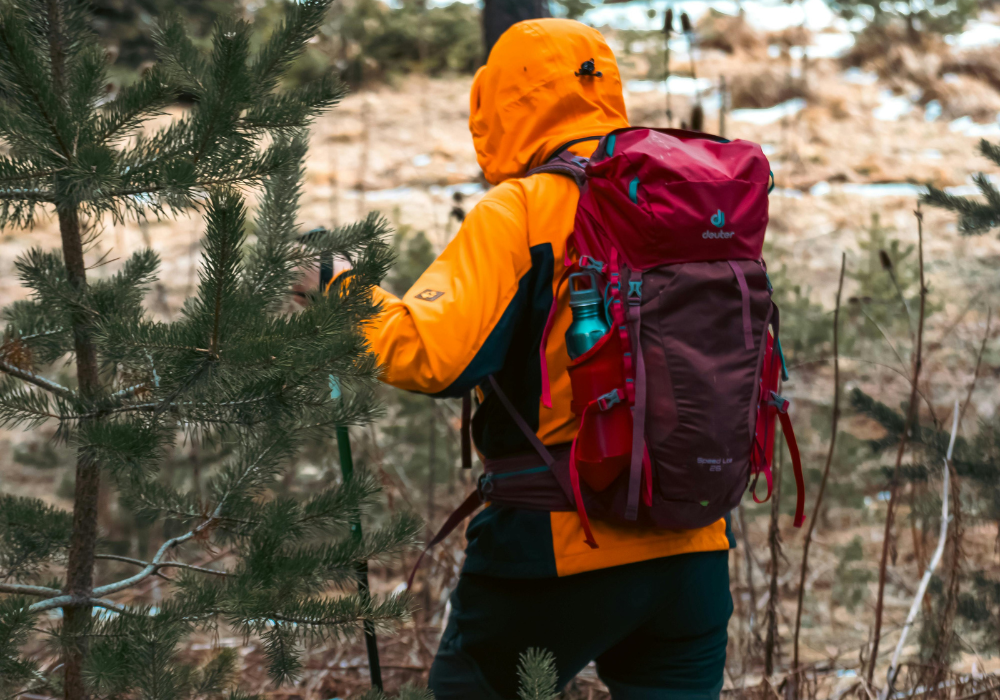
Winter hikes can be unpredictable, so carrying the right safety gear is essential. A headlamp with fresh batteries is critical since daylight hours are shorter. Hiking poles can help with stability on icy or uneven terrain. Additional safety items include a whistle or signal mirror for emergencies, a well-stocked first-aid kit (bandages, antiseptic, moleskin, etc.) and a map, since trails may be poorly marked or obscured by snow.
It’s also important to be aware of hunting seasons in the area where you plan to hike, especially in State Game Lands, State Forests, and even some State Parks. During active seasons, hikers should wear at least 250 square inches of hunter orange on the head, chest, and back; requirements can vary depending on the time of year and local regulations. If you’re hiking with dogs, be sure they are also clearly visible by outfitting them with orange vests or bandanas, so hunters can easily spot them from a distance.
Gear Up & Go!
A little preparation goes a long way toward turning a cold-weather outing into a great one. Pack thoughtful layers, warm outerwear, and plenty of water and snacks, and use traction devices on icy terrain. Study your route, bring dependable navigation tools, and check the weather and trail conditions before you go, especially in riverfront and wooded areas. And don’t forget to let someone know your plans. With these steps, you’ll be ready to head out, enjoy the fresh air, and soak up the quiet beauty of the Susquehanna Greenway in winter!
Outdoor recreation involves inherent risks, especially in winter conditions. This article is intended to provide general information and tips only and should not be considered a substitute for personal judgment, experience, or professional guidance. Conditions on the Susquehanna Greenway can change quickly due to weather, ice, and river levels. Always assess your abilities, use appropriate gear, and follow posted trail guidelines when heading outdoors.
Looking for more winter content? Find tips for winter wildlife, photography, birdwatching, and more right here!